Founding co-host, since 2007
On Board Games
One of the longest-lasting shows on board and card games — nearly two decades at the table with friends.
onboardgames.libsyn.com →Ed Psych · Games for learning
Erik’s PhD in Educational Psychology is, quite literally, about using games to increase learning outcomes. Not games as a break from the lesson — games as the lesson: a way to build interest, reflection, teamwork, and judgment that sticks.
For six years I brought games into a gifted classroom — helping kids learn teamwork, discernment, critical thinking, and decision making.
From the CV · Volunteer, Elementary Gifted Class
The video series
Erik has put out a series that talk about different aspects of games and learning. These videos either list games for different circumstances or takes a look at a concept of educational psychology and how to use games to increase learning outcomes with it.
3 Minute Thesis
Using Games to Increase Classroom Interest

Shelter at Home
Game suggestions for kids during shelter at home

Ed Psych
Reflection
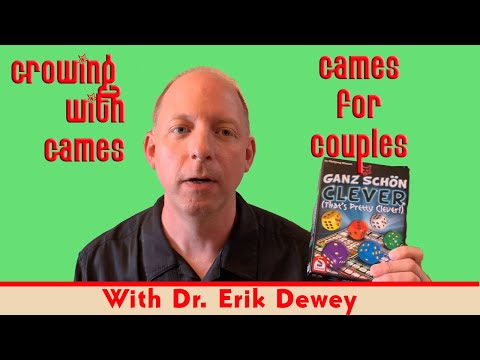
For Two
Games for Couples
Here is my channel on YouTube. If you find it interesting, feel free to subscribe.
On the air since 2007
For nearly two decades, Erik’s thinking about games and learning has happened out loud — on three shows across the Inverse Genius network. Co-host Dr. Scott Nicholson and Erik often turn straight to games in education.
Founding co-host, since 2007
One of the longest-lasting shows on board and card games — nearly two decades at the table with friends.
onboardgames.libsyn.com →Host
The tabletop-roleplaying companion show on the Inverse Genius network.
inversegenius.com →Contributor & frequent guest
Where games meet the classroom and the stacks — the crossroads of his whole research theme.
inversegenius.com →In the workshop
Erik is currently working on putting together curriculum that incorporates games into both classroom and corporate training environments.
Keep watching this space for additions.
It all comes back to the same motto: help kids learn through games. A degree earned out of pure conviction, six years in the gifted classroom, a shelf of videos, and three podcasts — all of it in service of the idea that the best learning very often looks a lot like play.